
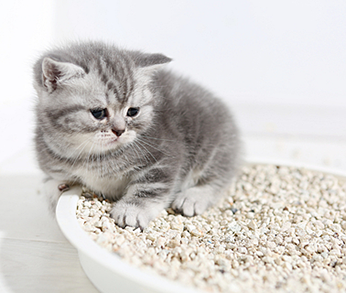
Cats are especially adorable when they’re sprint from one end of the room to another on a whim or snoozing in an absurdly contorted position. But all that cannot be fully appreciated if your cat isn’t housebroken.
Fortunately, the experts at Northwoods Human Society in Hayward, Wisconsin know what to do.
Having the cat fixed, providing a clean litter box, offering them a quiet space and taking a methodical approach make all the difference.
Making your cat comfortable goes a long way to ensuring their leavings wind up in a litter box and not a houseplant or behind the sofa.
The society recommends starting the cat off small and progressing. Start the animal in one room with its litter box and some toys. Once the cat uses the litter box several times the pet will likely understand where to relieve itself.
No one wants to use a filthy toilet, so you shouldn’t expect a cat to eagerly use a litter box studded with several days worth of bathroom visits.
Boxes must be scooped daily in order to reduce odors. A thorough cleaning and swapping of litter should be done routinely as well, experts said.
A multi-cat household should use multiple litter boxes, Northwoods said. Litters come in a variety of textures, with sand-like grains often being the most popular.
Patience cannot be overemphasized, Northwoods said. Scolding an animal for failing to use the litter box isn’t constructive. Positive reinforcement yields better results. Use praise and treats to establish healthy habits.
Cats are willful–even stubborn–creatures, but all you time, patience and persistence are all you need for housebreaking.