
A family pet can help children develop social skills and reduce loneliness, according to researchers from the University of Liverpool.
“Generally dogs and cats are deemed to be the best providers of social support, perhaps due to a higher level of interaction and reciprocation in comparison to other pets.” says Rebecca Purewal, lead author of the study.
“In both western and non-western cultures pets may act as a form of psychological support, helping youths feel good about themselves and enabling a positive self-image.”
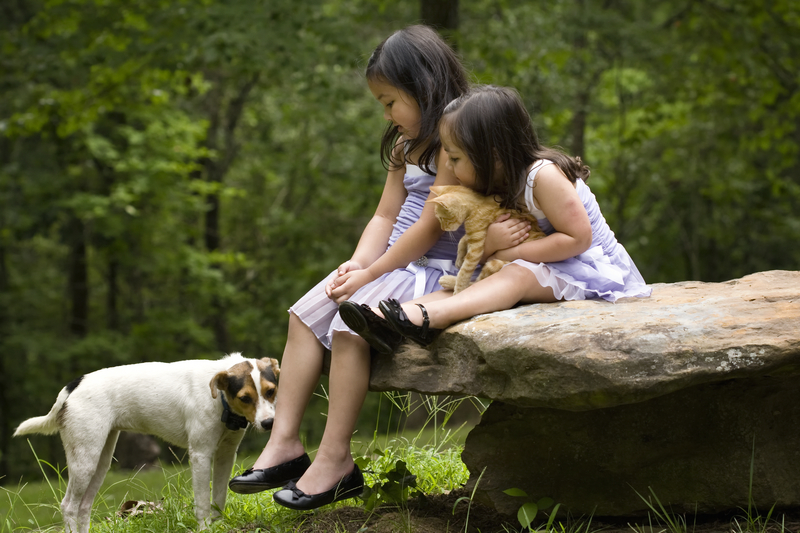
WALTHAM Centre for Pet Nutrition funded the study that just appeared in the International Journal of Environmental Research and Public Health.
“Companion animals have the potential to promote healthy child and adolescent development,” says WALTHAM researcher and study co-author Nancy Gee. “This is an exciting field of study and there is still much to learn about the processes through which pet ownership may impact healthy child development.”
Experts say the study reaffirms what many pet owners already know about their furry family members.
“Anyone that has grown up with, and loved a family pet intrinsically feels the value of their companionship,” says project lead Dr. Carri Westgarth, from the University of Liverpool’s Institute of Infection and Global Health. “The scientific evidence investigating the benefits to children and adolescent development looks promising. We dug deep into that evidence to understand which potential benefits were most strongly supported. Ultimately, this will enable us to know more about how pets provide young people with emotional, educational and social support.”